
Heating and cooling
Heat pump installation in Ottawa and Eastern Ontario
Heating and cooling from one system
The short answer
What heat pumps do for a home
A heat pump is a single system that both heats and cools your home. It moves heat rather than burning fuel to make it, which is why it can run efficiently through most of an Ontario heating season and replace your air conditioner at the same time.
Cold-climate models are designed to keep producing usable heat well below freezing. The important decisions are how the system is sized for your home, how it is controlled, and what backup heat is kept or added for the coldest stretches. We assess the home first, then recommend a system and a backup strategy for that property.
Who this is for
- Homeowners replacing an aging furnace and air conditioner at the same time
- Homes with electric baseboards or oil heat looking to reduce operating cost
- Households that want cooling added without a second outdoor unit
- Homeowners interested in electrification who still want a reliable winter plan
Problems it solves
- Rooms that never reach the temperature on the thermostat
- Loud, short-cycling equipment that runs at full output or nothing at all
- High or unpredictable heating and cooling bills
- Two aging systems that will both need replacing within a few years
How it works
In plain language
A heat pump uses a refrigerant circuit to collect heat from outdoor air and release it inside. In summer the cycle reverses and it removes heat from the house, exactly like an air conditioner.
Because it transfers existing heat instead of creating it, it can deliver more heat energy than the electrical energy it consumes. Efficiency drops as the outdoor temperature falls, which is why the design temperature and the backup arrangement matter more than the headline efficiency rating.
Most systems in this region are variable-capacity, so they run at low output for long periods instead of switching on and off. That is what produces steadier room temperatures and better humidity control than older equipment.
Ontario considerations
What this region does to the decision
- Ottawa design temperatures reach roughly -25 °C in a typical winter, so a heat pump plan for this region has to state what happens at and below that point.
- Two arrangements are common here. A dual-fuel system pairs the heat pump with a gas furnace that takes over at a set outdoor temperature. An all-electric system uses electric backup heat sized for the coldest hours.
- Electrical capacity is a real constraint on older Ottawa-area homes. A 100 amp panel can often support a heat pump with a fossil-fuel backup, while all-electric backup may require a service upgrade. We check the panel and load before recommending an approach.
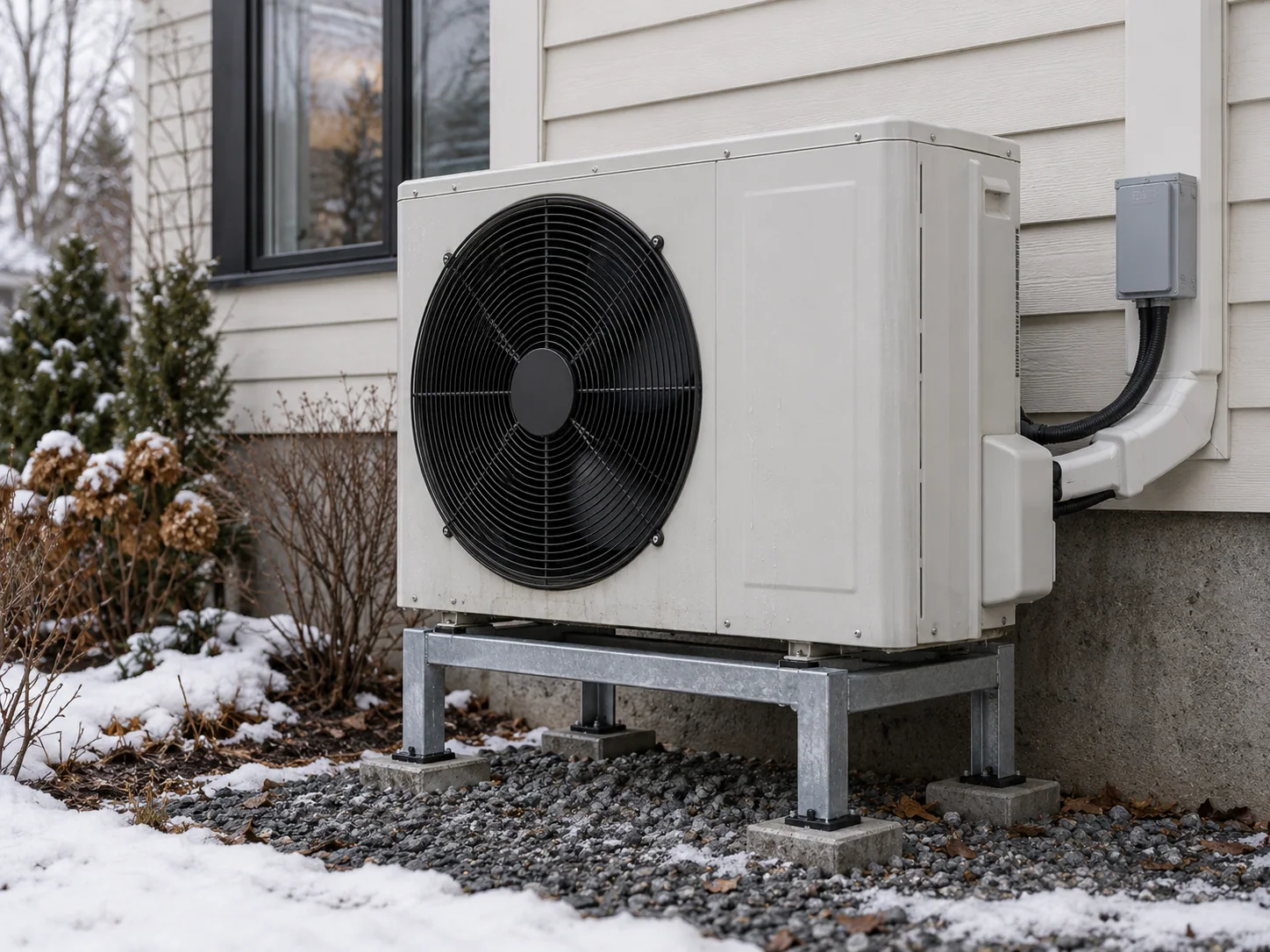
- Snow clearance and drainage matter. Outdoor units need to sit above expected snow depth with meltwater directed away from the pad and the foundation.
Options
Common configurations
- Ducted cold-climate heat pump
- Uses your existing ductwork. Usually the simplest replacement path for a home that already has forced air heating and cooling.
- Dual-fuel heat pump and furnace
- The heat pump handles most of the season and the furnace covers the coldest hours. Often the most practical option where natural gas is already connected.
- Ductless or multi-zone system
- Indoor heads serve individual rooms or additions. Useful for homes without ducts, or for a level that has never been comfortable.
Manufacturers
Equipment we install and support
We install and service equipment from established manufacturers. Which line and model suits your home is decided during your assessment, based on the heat loss of the house, your ductwork and electrical capacity, and availability at the time of installation. Links go to each manufacturer's own website.





Logos are the property of their respective owners and are shown to identify the equipment lines we work with. We are not stating a dealer authorization, exclusive distribution arrangement, or manufacturer endorsement.
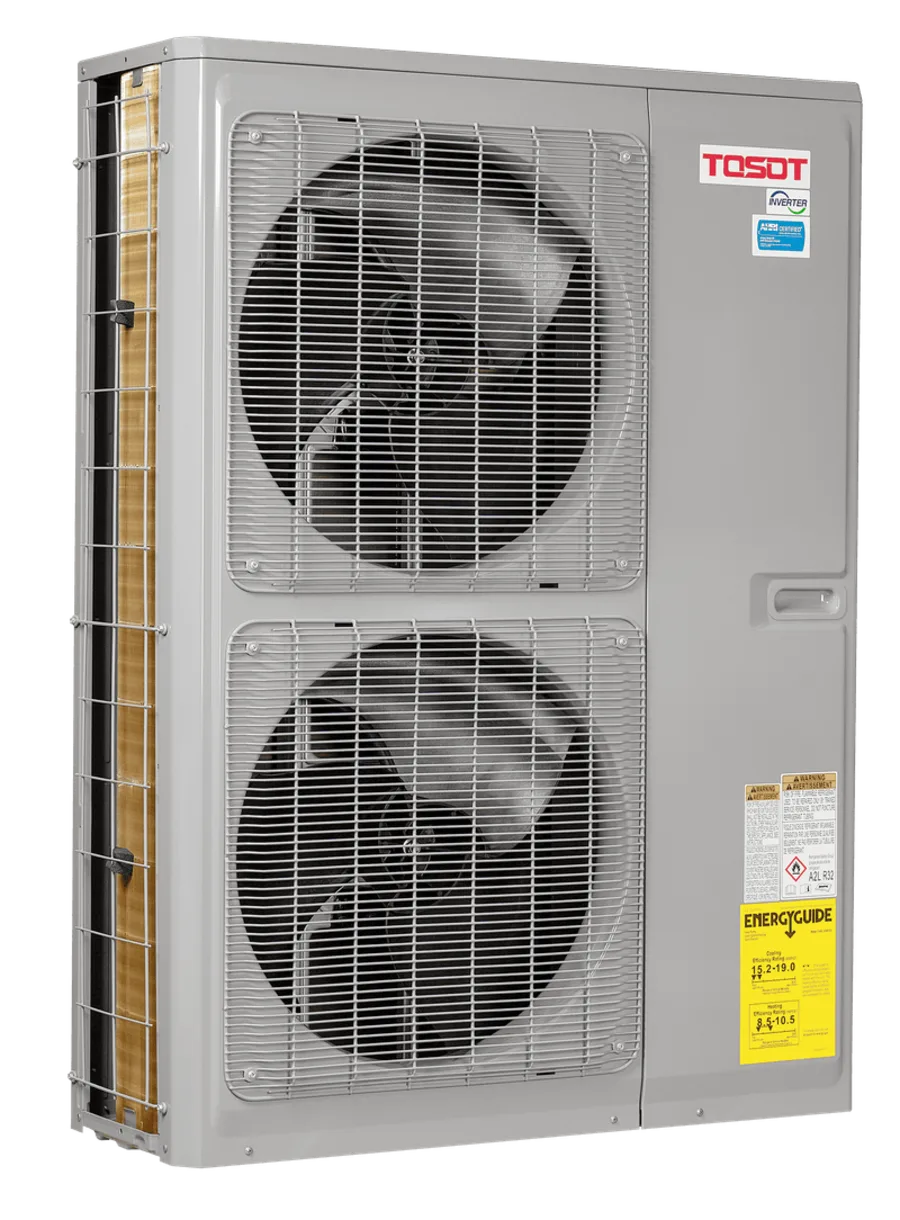
Example: TOSOT Comfort UNIX central ducted system
One example of a cold-climate ducted option. TOSOT Comfort publishes the following specifications for its UNIX central ducted systems:
- Cold-climate heating operation down to -22°F (-30°C)
- Up to 19 SEER2 rated cooling efficiency
- R32 inverter-driven outdoor condenser matched to a ducted indoor air handler
- 10-year manufacturer warranty on parts and compressors
- Sold only through licensed HVAC contractors
These are the manufacturer's published specifications for this product line, not a performance promise for your home. Rated efficiency is measured under test conditions, warranty terms are set and administered by the manufacturer, and model availability and suitability are confirmed during your assessment.
Controls: Google Nest thermostats
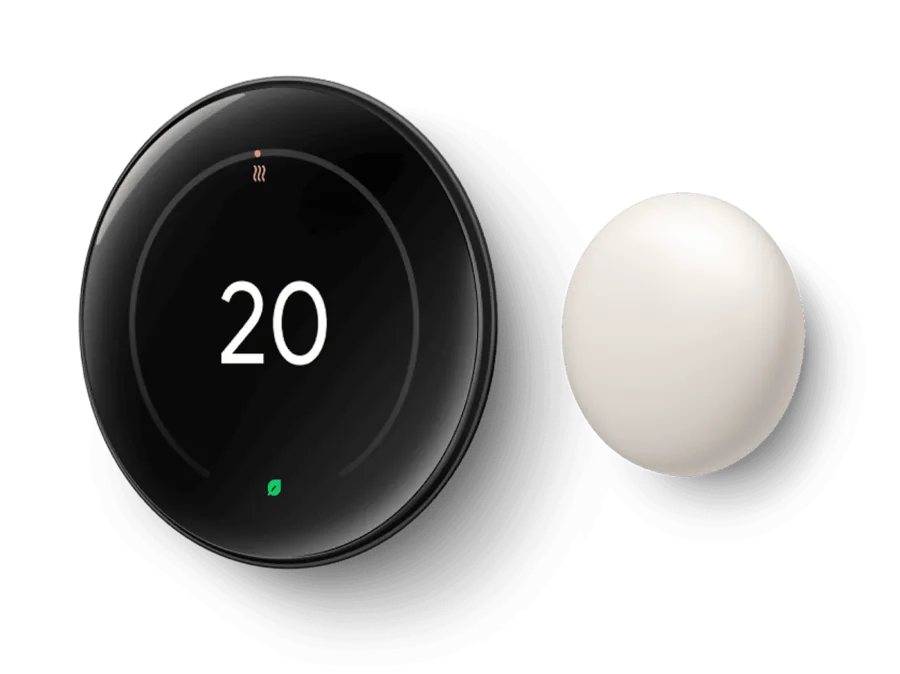
A smart thermostat is part of how a heat pump is controlled, not an accessory bolted on afterwards. Where a home suits one, we set up the thermostat with the system so the changeover between the heat pump and any backup heat happens on the settings we commission, rather than on defaults. Product details and availability come from the manufacturer.
Before you decide
Two things you can work out yourself first
Neither tool asks for your contact details and neither stores anything. Both give ranges and possibilities, not quotes or approvals.
Savings calculator
A conservative annual operating-cost range from the bills you already have.
Rebate finder
See which Ontario Home Renovation Savings upgrades may apply to your home.
Sizing and design
- We measure the home rather than matching the size of the old equipment. That means room-by-room dimensions, insulation levels, window area and orientation, air leakage indicators, and how the house is actually used.
- Those inputs produce a heating and cooling load. The system is then selected against its performance at low outdoor temperatures, not only its rated capacity at mild conditions.
- Oversizing is the most common problem we correct. An oversized system cycles, controls humidity poorly, and wears faster.
Installation and what to expect
- Confirm the scope, equipment, controls, and backup arrangement in writing before any work is scheduled.
- Handle permits and safety requirements for the fuel and electrical work involved.
- Set the outdoor unit on a stable, drained pad above snow line, with line sets routed and covered neatly.
- Modify plenum, ductwork, condensate, and electrical connections as required for the selected equipment.
- Commission the system: verify airflow, refrigerant charge, controls, backup changeover, and safety operation, then record the settings.
- Walk through the thermostat and filter routine with you before we leave.
Financing
Heat pump projects are commonly financed. Incentive programs for heat pumps change frequently, so we confirm what a home may be eligible for at assessment rather than advertising an amount here.
Financing is provided by Financeit to qualified applicants. Approval, rates, terms, and product eligibility are determined by the financing provider.
Support after installation
- Annual maintenance keeps airflow, coils, and refrigerant charge within specification, which protects both efficiency and equipment life.
- Filters need checking every one to three months depending on the household.
- Warranty coverage and labour terms are confirmed in your written proposal.

10-Year Premium Warranty Included
Every new equipment installation completed by Aviva includes a 10-year premium warranty package combining manufacturer-backed parts coverage and Aviva labour coverage.
Equipment registration, maintenance requirements, eligible products, exclusions, and the written warranty agreement apply.
Answers
Questions we are asked about this
Start with the home, not the equipment.
Tell us what is not working and what you want to improve. We will help you understand the practical options for your home.