
Heating
Furnace replacement and installation in Ottawa and Eastern Ontario
Reliable winter heating
The short answer
What furnaces do for a home
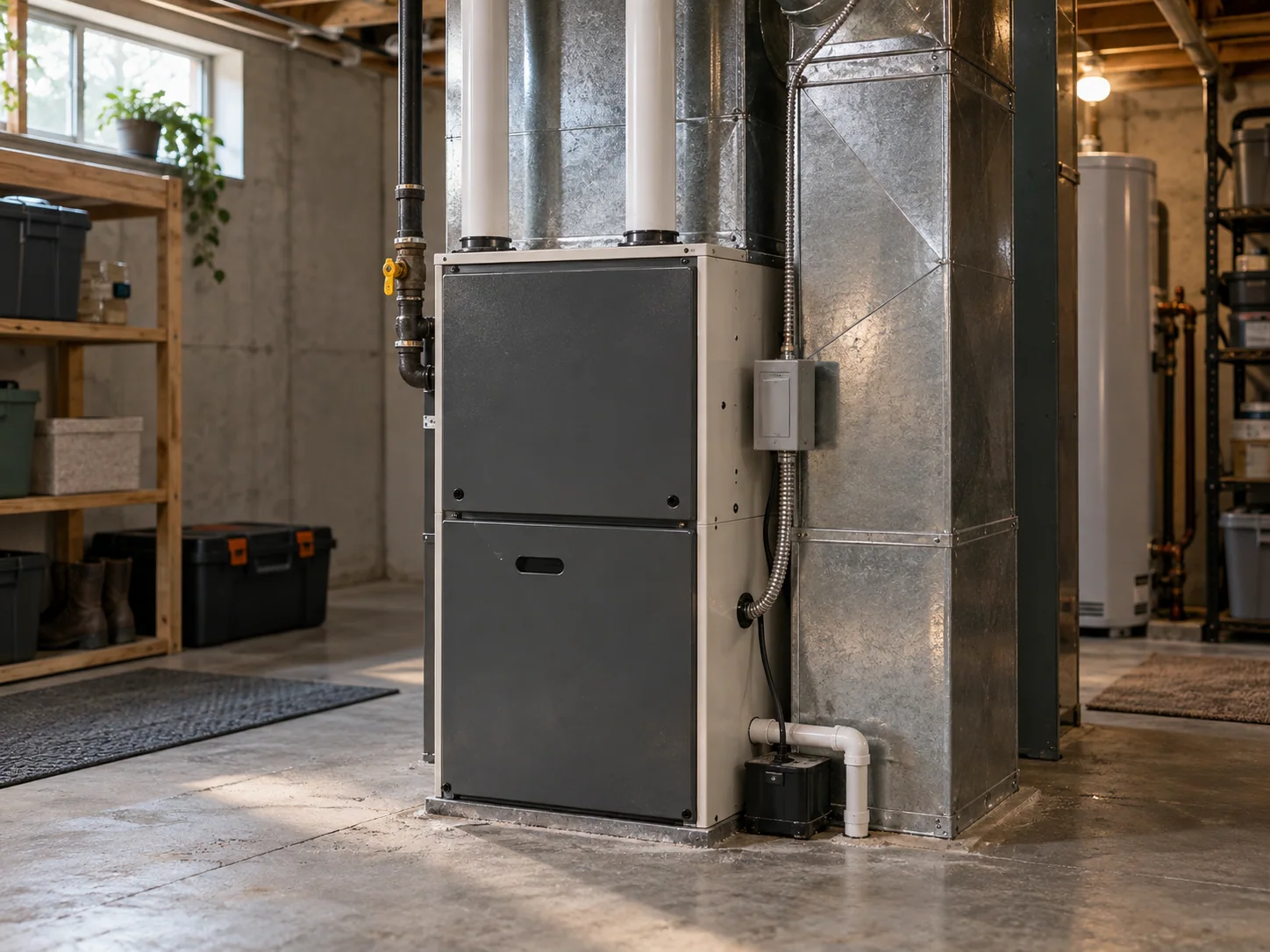
A furnace heats air at a central point and distributes it through ductwork. It remains the most common heating system in Eastern Ontario because it delivers high output on the coldest nights and works well with existing ducts.
The decisions that matter are whether repair or replacement is the better value, what capacity the house actually needs, and how the unit is vented and controlled. As a TSSA-registered heating fuels contractor we handle the fuel-side work along with the installation.
Who this is for
- Homes with a furnace at or past 15 to 20 years of service
- Households facing repeated repairs or parts availability problems
- Homeowners who want a furnace kept as backup heat for a heat pump
- Anyone with comfort complaints that the current system cannot resolve
Problems it solves
- Uneven temperatures between floors
- Noisy operation, rattling ducts, or a blower that never seems to stop
- Rising repair frequency or a failed heat exchanger
- A unit far larger than the house needs, producing hot-and-cold swings
How it works
In plain language
Fuel is burned in a sealed combustion chamber. A heat exchanger transfers that heat to indoor air without mixing combustion gases with it, and combustion products are vented outdoors.
A blower moves the heated air through supply ducts and returns cooler air for reheating. Modern variable-speed blowers and modulating burners run at partial output for longer periods, which produces steadier temperatures than single-stage equipment.
Efficiency is expressed as AFUE. High-efficiency condensing units extract additional heat from flue gases and vent through plastic pipe rather than a chimney, which changes the venting work involved in a replacement.
Ontario considerations
What this region does to the decision
- Eastern Ontario winters put furnaces under sustained load rather than occasional peaks, so combustion setup and airflow verification matter more here than in milder regions.
- Many Ottawa-area homes were built for chimney-vented mid-efficiency equipment. Converting to a condensing furnace requires new sidewall venting and condensate drainage, and sometimes attention to an orphaned water heater left on the old chimney.
- Fuel-burning work in Ontario falls under TSSA oversight. Our registration number is 000202850.
Options
Common configurations
- Single-stage furnace
- One output level. Lowest purchase cost, largest temperature swings.
- Two-stage furnace
- Runs at reduced output most of the season and full output on the coldest days. A practical middle option.
- Modulating furnace with variable-speed blower
- Adjusts output and airflow continuously. Quietest and most consistent, and the best match if a heat pump will be added later.
Manufacturers
Equipment we install and support
We install and service equipment from established manufacturers. Which line and model suits your home is decided during your assessment, based on the heat loss of the house, your ductwork and electrical capacity, and availability at the time of installation. Links go to each manufacturer's own website.




Logos are the property of their respective owners and are shown to identify the equipment lines we work with. We are not stating a dealer authorization, exclusive distribution arrangement, or manufacturer endorsement.
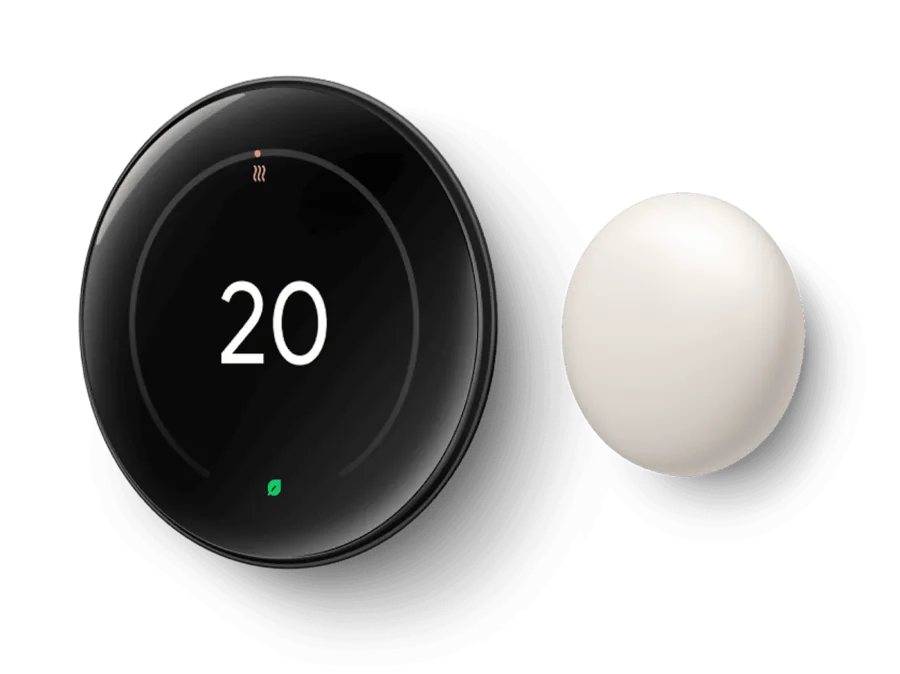
Controls: Google Nest thermostats
A smart thermostat is part of how a heat pump is controlled, not an accessory bolted on afterwards. Where a home suits one, we set up the thermostat with the system so the changeover between the heat pump and any backup heat happens on the settings we commission, rather than on defaults. Product details and availability come from the manufacturer.

TSSA-registered heating fuels contractor
Registration 000202850, issued by the Technical Standards and Safety Authority. Gas-fired equipment in Ontario must be installed by a registered contractor.
Before you decide
Two things you can work out yourself first
Neither tool asks for your contact details and neither stores anything. Both give ranges and possibilities, not quotes or approvals.
Savings calculator
A conservative annual operating-cost range from the bills you already have.
Rebate finder
See which Ontario Home Renovation Savings upgrades may apply to your home.
Sizing and design
- We calculate heat loss for the house instead of matching the label on the old unit, because replacements installed decades ago were routinely oversized.
- Duct capacity is measured as well. A larger furnace pushed through undersized ducts is noisy and short-lived.
- If a heat pump is likely within a few years, we select a furnace that will work correctly as its backup.
Installation and what to expect
- Written scope, equipment model, venting plan, and price before scheduling.
- Permits and safety documentation for the fuel work.
- Safe decommissioning and removal of the old appliance.
- New venting, gas connections, condensate drainage, and electrical as required.
- Combustion analysis, airflow measurement, and safety checks recorded at commissioning.
- A walkthrough of controls, filter access, and maintenance intervals.
Financing
Furnace replacement is often unplanned. Financing through Financeit can spread the cost, subject to the provider's approval and terms.
Financing is provided by Financeit to qualified applicants. Approval, rates, terms, and product eligibility are determined by the financing provider.
Support after installation
- Annual service before the heating season: combustion, venting, safety controls, and airflow.
- Filter changes every one to three months keep the blower and heat exchanger within design conditions.
- Warranty and labour terms appear in your written proposal.

10-Year Premium Warranty Included
Every new equipment installation completed by Aviva includes a 10-year premium warranty package combining manufacturer-backed parts coverage and Aviva labour coverage.
Equipment registration, maintenance requirements, eligible products, exclusions, and the written warranty agreement apply.
Answers
Questions we are asked about this
Start with the home, not the equipment.
Tell us what is not working and what you want to improve. We will help you understand the practical options for your home.