
Cooling
Air conditioner installation in Ottawa and Eastern Ontario
Summer cooling that holds steady
The short answer
What air conditioners do for a home
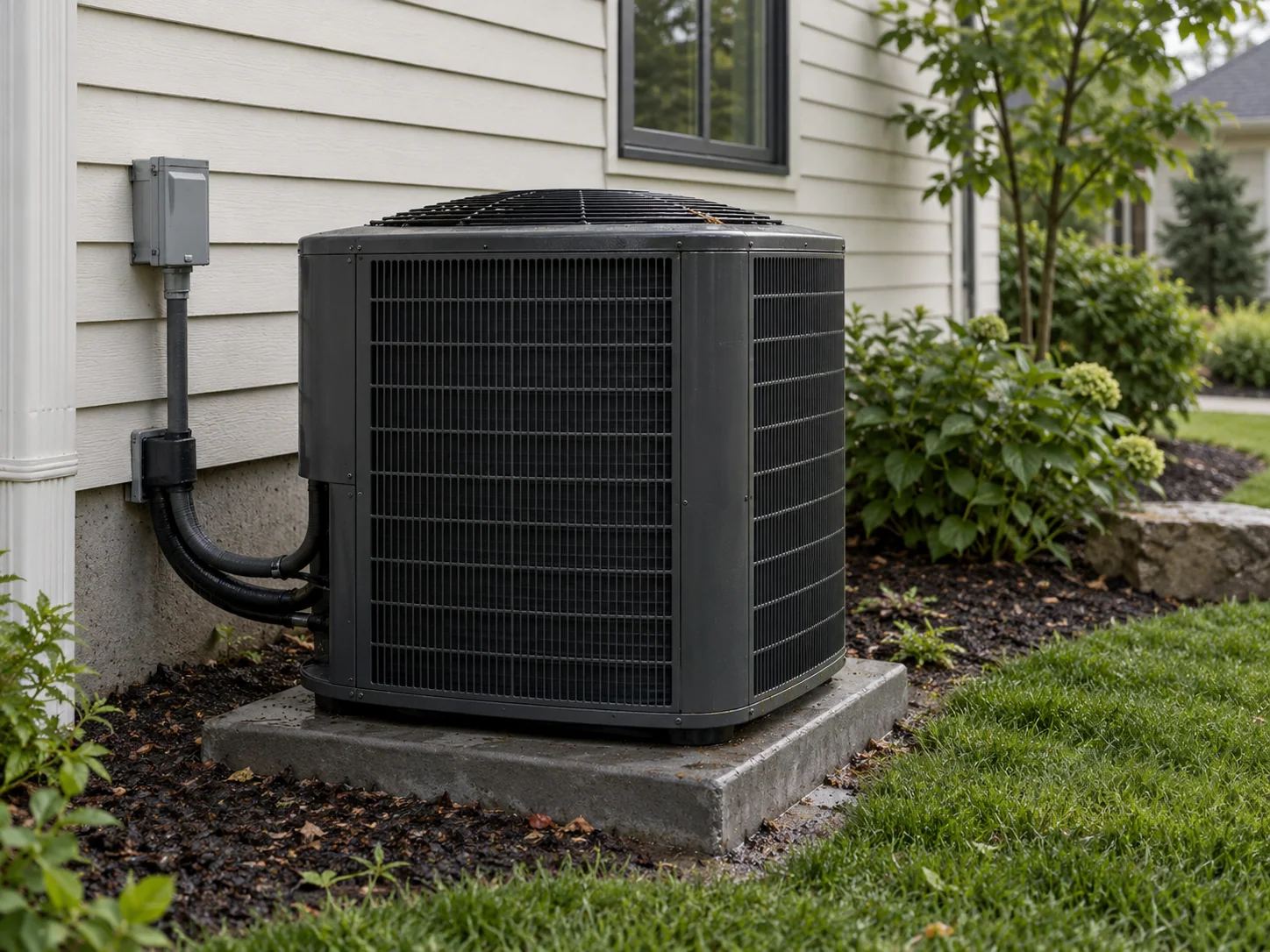
An air conditioner removes heat and humidity from indoor air and rejects it outdoors. It shares the ductwork and blower with your furnace, so cooling problems are often airflow problems rather than equipment problems.
Before quoting a replacement we check capacity, duct performance, and where the heat is actually coming from. If you are also facing furnace replacement, we will tell you where a heat pump would cover both jobs for close to the same installed cost.
Who this is for
- Homes with an air conditioner over 12 to 15 years old
- Households with upper floors that never cool down
- Homeowners with older refrigerant systems facing expensive recharges
- Anyone considering replacing furnace and air conditioner in one project
Problems it solves
- Second floor several degrees warmer than the main floor
- Air that feels cool but clammy, indicating poor humidity removal
- A unit that runs constantly on hot days without reaching setpoint
- Repeat refrigerant leaks on an aging system
How it works
In plain language
Warm indoor air passes over a cold evaporator coil in the duct system. Refrigerant carries that heat to the outdoor condenser, where a fan releases it to the outside air.
Moisture condenses on the indoor coil and drains away, which is why a correctly sized system feels comfortable at a higher thermostat setting than an oversized one.
Efficiency is rated as SEER2. Real performance depends on airflow, refrigerant charge, and installation quality as much as the rating on the box.
Ontario considerations
What this region does to the decision
- Eastern Ontario summers combine heat with high humidity, so latent capacity — moisture removal — is as important as raw cooling output.
- Many local homes have generous supply ducts on the main floor and undersized returns upstairs, which is the usual reason a second floor stays warm.
- Refrigerant regulations continue to change. We confirm what a system's refrigerant means for future service before recommending it.
Options
Common configurations
- Single-stage air conditioner
- Straightforward replacement at the lowest purchase cost.
- Two-stage or inverter air conditioner
- Longer, lower-output run times, better humidity control, and quieter operation.
- Heat pump instead of an air conditioner
- Provides the same cooling plus efficient shoulder-season and winter heating. Worth pricing whenever the furnace is also near end of life.
Manufacturers
Equipment we install and support
We install and service equipment from established manufacturers. Which line and model suits your home is decided during your assessment, based on the heat loss of the house, your ductwork and electrical capacity, and availability at the time of installation. Links go to each manufacturer's own website.









Logos are the property of their respective owners and are shown to identify the equipment lines we work with. We are not stating a dealer authorization, exclusive distribution arrangement, or manufacturer endorsement.
Controls: Google Nest thermostats
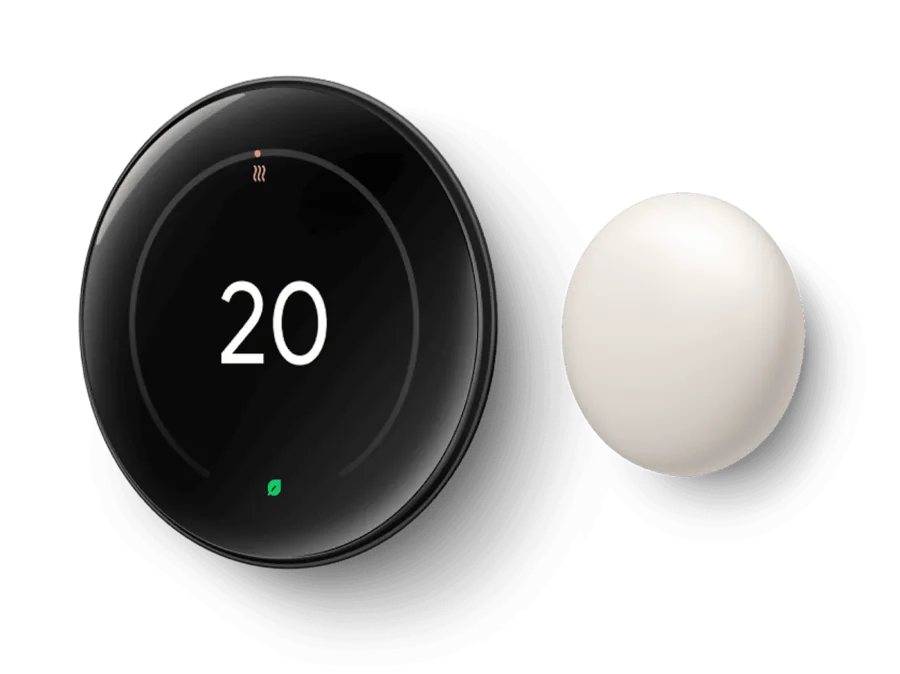
A smart thermostat is part of how a heat pump is controlled, not an accessory bolted on afterwards. Where a home suits one, we set up the thermostat with the system so the changeover between the heat pump and any backup heat happens on the settings we commission, rather than on defaults. Product details and availability come from the manufacturer.
Before you decide
Two things you can work out yourself first
Neither tool asks for your contact details and neither stores anything. Both give ranges and possibilities, not quotes or approvals.
Savings calculator
A conservative annual operating-cost range from the bills you already have.
Rebate finder
See which Ontario Home Renovation Savings upgrades may apply to your home.
Sizing and design
- Cooling load is calculated from window area and orientation, insulation, air leakage, and internal gains — not from the tonnage of the old unit.
- Duct static pressure and return capacity are measured, because a correctly sized unit on restricted ducts still will not cool the top floor.
- Where the load is unevenly distributed, zoning or a ductless head for one area can be a better answer than more tonnage.
Installation and what to expect
- Written scope and equipment selection with the reasoning behind the capacity.
- Matched indoor coil and any required duct or plenum modification.
- Correct line-set sizing, evacuation, and weighed-in refrigerant charge.
- Condensate drainage and safety switch installation.
- Airflow and charge verification at commissioning, with readings recorded.
- A short walkthrough of settings and filter maintenance.
Financing
Cooling replacement can be financed through Financeit, subject to approval and the provider's terms. We also price the heat pump alternative so you can compare.
Financing is provided by Financeit to qualified applicants. Approval, rates, terms, and product eligibility are determined by the financing provider.
Support after installation
- Spring service: coil cleaning, charge check, drain clearing, and airflow verification.
- Keep the outdoor unit clear of plantings and debris for proper airflow.
- Warranty and labour terms are stated in your proposal.

10-Year Premium Warranty Included
Every new equipment installation completed by Aviva includes a 10-year premium warranty package combining manufacturer-backed parts coverage and Aviva labour coverage.
Equipment registration, maintenance requirements, eligible products, exclusions, and the written warranty agreement apply.
Answers
Questions we are asked about this
Start with the home, not the equipment.
Tell us what is not working and what you want to improve. We will help you understand the practical options for your home.